Design Day: alternative pathways to climate learning
Exploring Open and Place-Based Learning for climate action and community resilience
On November 28th we held our last gathering for 2025. In the room we brought together local government, community networks, advocacy organisations and educators – all interested in and/or experimenting with alternative ways to build climate capability and community resilience.
Calling it a design day was our way of signalling that we’re all co-creating the next steps for climate learning. We wanted to set the tone for the work we want to move forward: investing in Open and Place-Based Learning to widen access to the skills and networks we need for a more sustainable future.
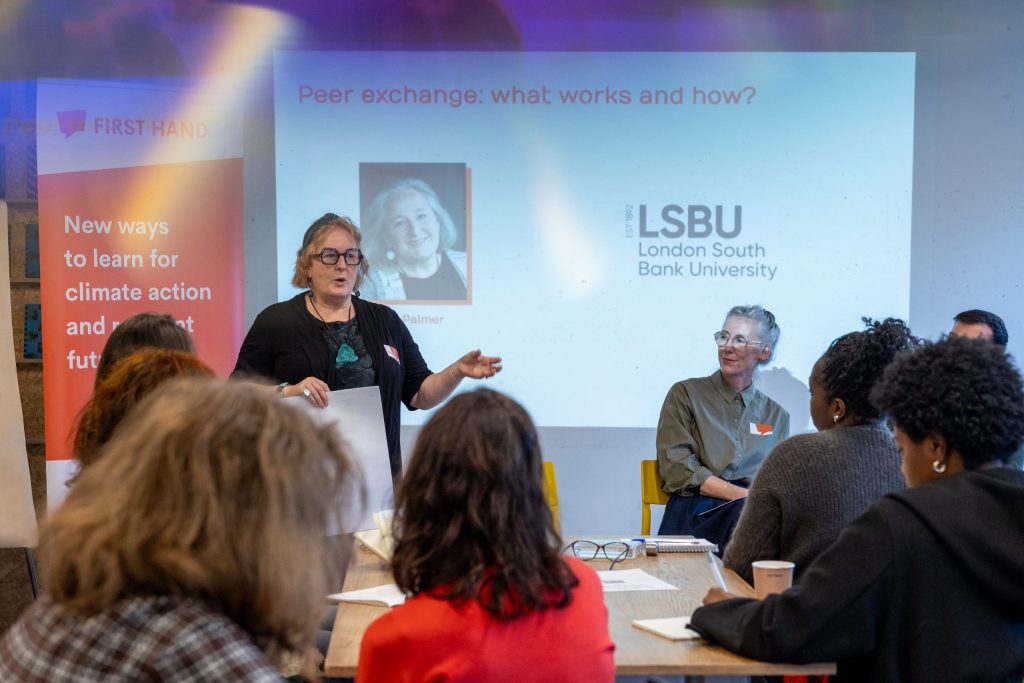
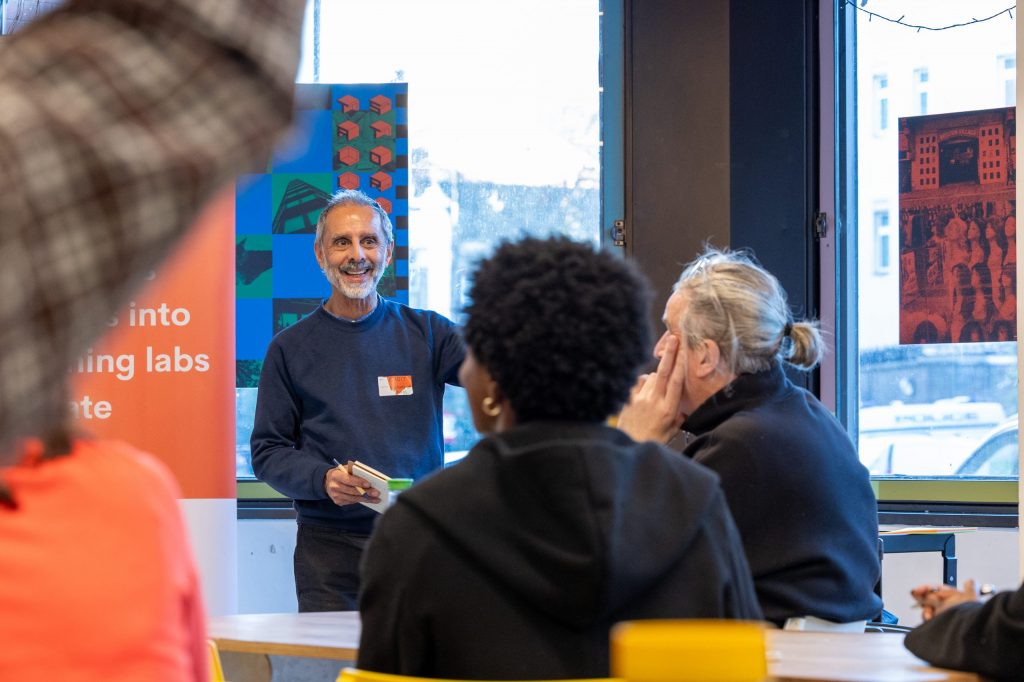
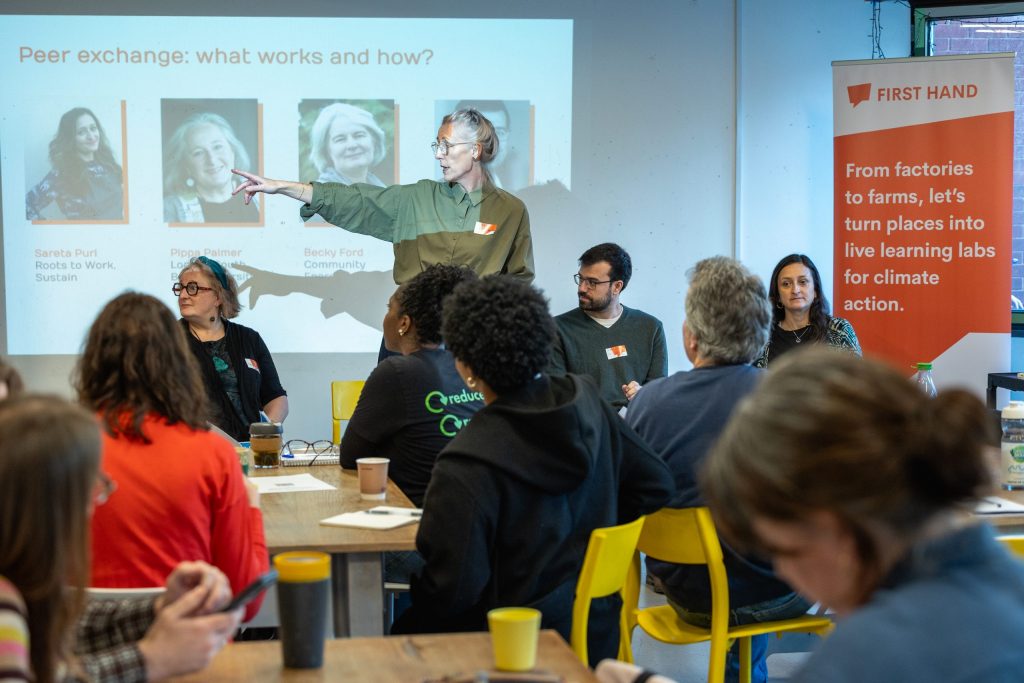
8 speakers shared their briefs with us
We heard about the methods, formats and approaches they employ to build capacity in different sectors and projects.
- For Sareta Puri of Roots to Work at Sustain: the alliance for sustainable food and farming, there is no advocacy without learning and skills. And with few clear pathways into the sustainable food sector, Open and Place-Based learning can have a major role to play – supporting the inclusive talent pipeline we need.
- This was echoed by Pippa Palmer, who shared cautionary tales of retrofits gone wrong through underestimation of the need for ‘readiness’. Breakthroughs were generated through learning all round, on the part of project teams to rethink and meet people where they are as well as building community capacity (framed as ‘readiness’).
- Becky Ford of Community Energy Scotland spoke about how she considers community as a decarbonisation technology, of key importance in the world-leading energy transformation in the Orkney islands. Orkney’s communities have responded to the new ideas, people and opportunities coming to the islands by building their capacity, fast, through a blend of peer-learning, formal learning and scientific cooperation/coopetition across businesses and institutions.
- For Mike Wood at London Councils field trips have become their go-to format to engage and create networks between decision makers working on London-wide systemic issues such as food and plastic waste. The power of physical experiences and face to face relationships have justified time out of office and smoothed the way to action.
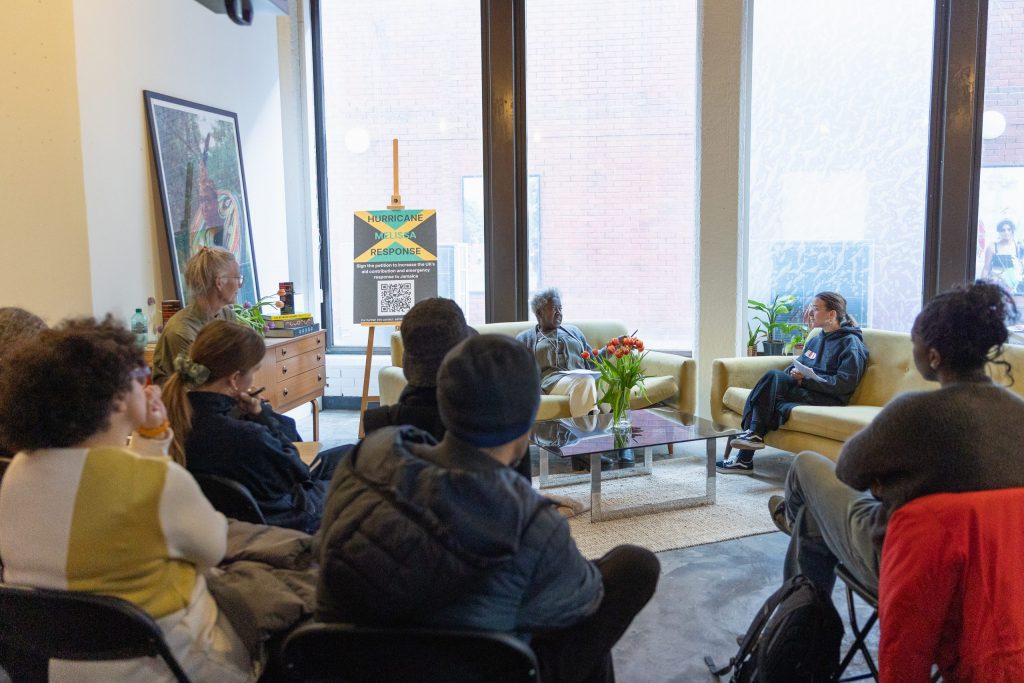
We hit the half-day mark with the live case study of Brixton.
- Binki Taylor and her team at The Brixton Project are aiming to provide street level access to knowledge and imagination as a way to raise community ownership and stewardship of the future.
- Rebecca Lardeur of Lambeth Council spoke with her about the central needs to accelerate climate action and community resilience:
-
- Inclusive networks: to build shared understanding, pool knowledge, and innovate across boundaries
- Green skills: shaped by place context, learned in place and shared in community as a commons.
Questions for you: have you considered these approaches in your climate projects? How might you?
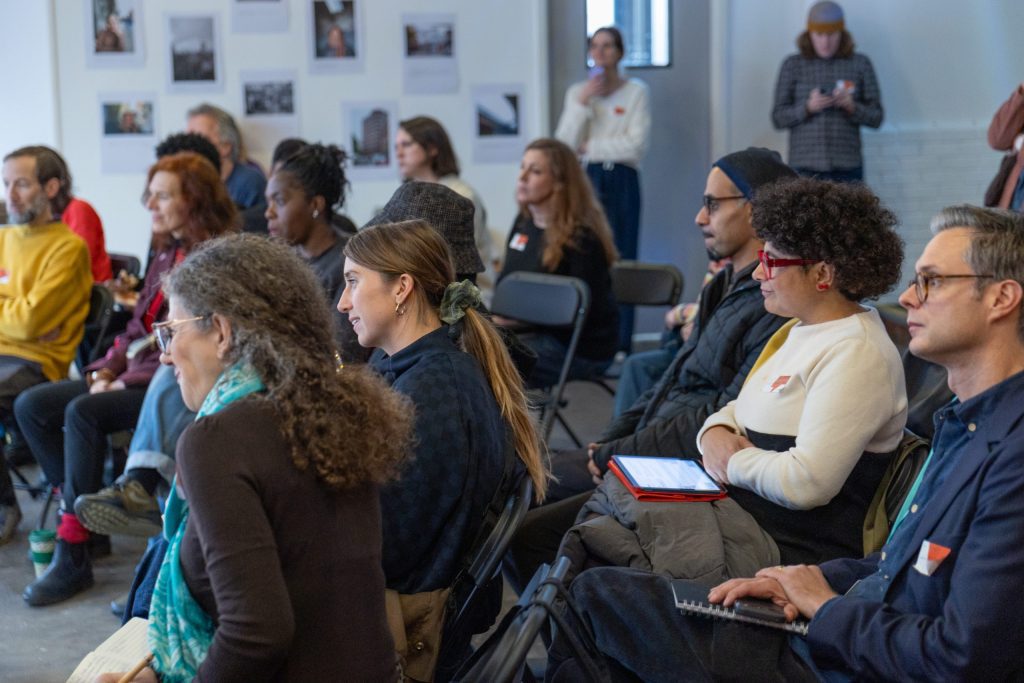
In the afternoon we turned towards the future.
We looked at projects that demonstrated unconventional ways of building skills and growing people’s capacity to change and act. A common thread ran through them: some really impactful work is happening outside mainstream services and institutions.
These projects showed how community-led, non-formal and place-based approaches can strengthen learning as a form of infrastructure – something that can support change consistently (and even adapt) over time.
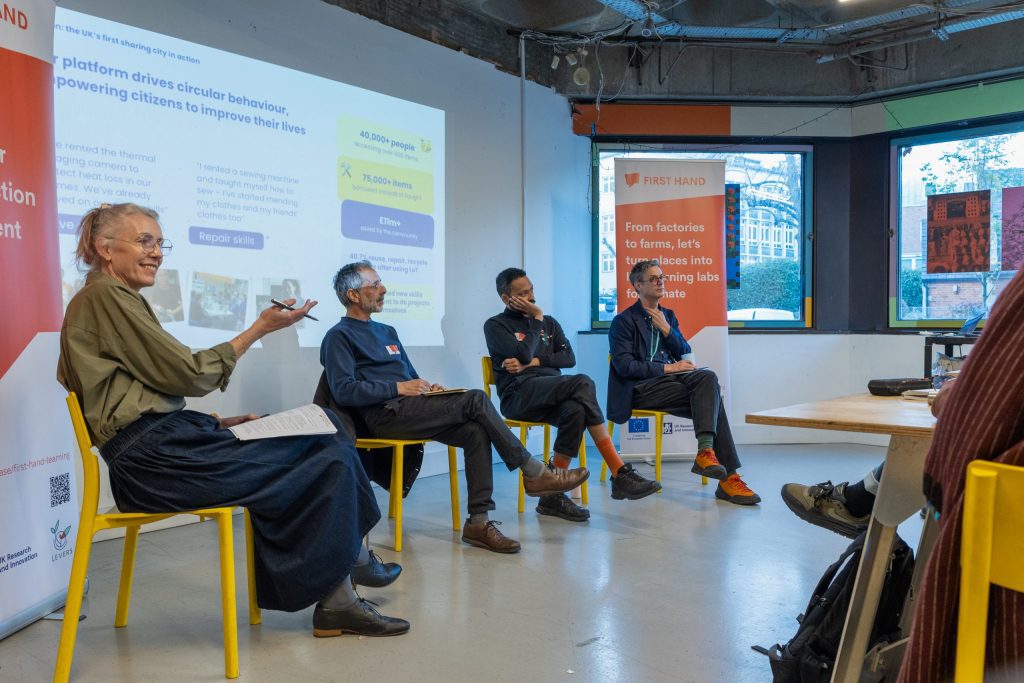
- Our venue for the day, 3Space in Brixton, is not a usual co-working space. Founder COO Harry Owen-Jones presented strong arguments for the space to be understood as community infrastructure: a sector-agnostic open learning hub whose tenants are collectively pulling in the direction of social change.
- For Ranjit Singh at Library of Things, the sharing economy model is a practical route into the skills and behaviours needed to shift consumer culture. People don’t only borrow tools, they often learn how to use them for the first time, building agency and confidence in repairing and reusing things.
- We also heard from the alternative education sector. Neal Shasore shared the very real pressures facing smaller, independent providers, especially the impossible tension between trying to decarbonise and decolonise education while working within structures and regulations that make change hard to design, let alone deliver.
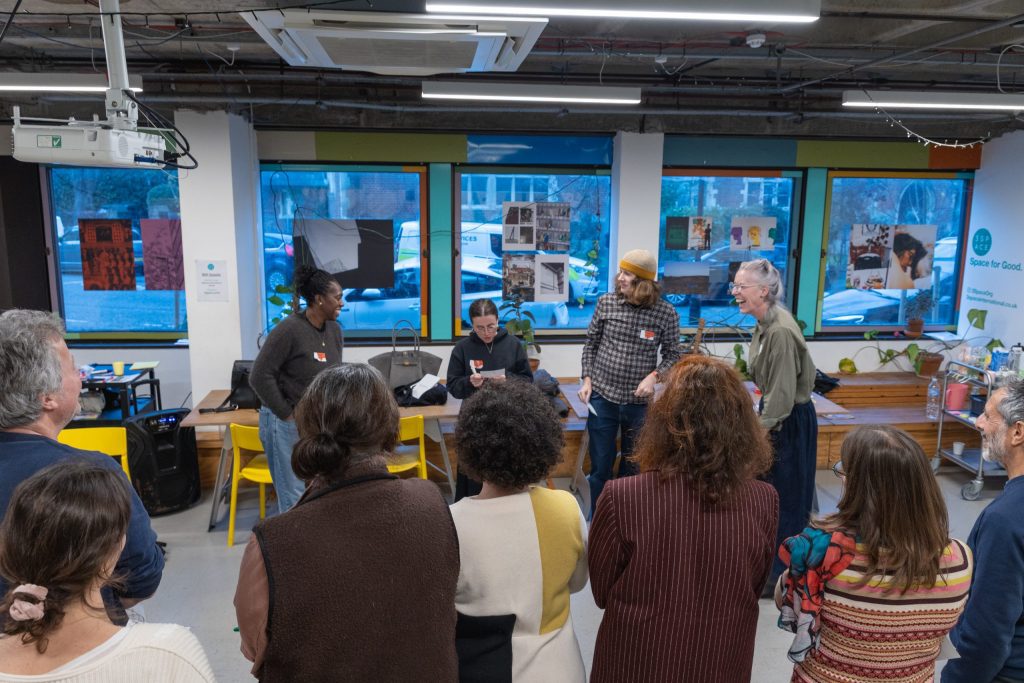
So, now what?
What if open and place-based learning became the default way we build the skills and relationships needed for a sustainable future? The task is to embed these approaches in traditional institutions, multiply them in communities, and build accountability for it to both individuals and organisations of all types.
Our OPEN WORKS field study shows that a clear typology of Open and Place-Based Learning is emerging. These new models and infrastructures can help close the “pace gap” – the space between what our current systems deliver and what we urgently need to collectively tackle climate, sustainability and justice challenges.
First Hand is a project by Forth Together CIC. It benefits from Horizon Europe and UKRI funding. Find out more about the LEVERS project – exploring the potential of local learning ecosystems as a tool for community climate engagement, learning and action.